To actively bring attention to being kind to oneself, as an act of self care and self awareness; a hybrid of kindness and mindfulness. Bright Blue Day
Dalai Lama: “Kindness is my religion.”
My mother always said “kindness doesn’t cost you anything”.
“Often it is the simplest things that mean the most. Small gestures of love that remind us someone cares. A word, a smile, a gift. There is so much power in kindness, it is a true force.
The Six of Cups celebrates acts of kindness and generosity. It encourages us to bring more of this into our lives and to focus on what really matters. What use is wealth, nice clothes, a big home, if we can’t love each other or share what we have? Meditate on this simple lesson. Look for ways to live a kinder life, encourage others to do the same”. Little Red Tarot
Rather than being strung onto a Christmas Tree and living in a box for eleven months of the year this Angel is committed to working with Kindfulness. She, and some of her kin, are going to be actively involved as we examine cards and begin to manifest a practice.
Pull out your favourite Six of Cups cards and consider simple, mindful actions, rooted in compassion that you can take that can change the world. To prepare you might take advantage of these Self Compassion Exercises.
Think about how you can become a Kindfulness Warrior and help change the vibration and energy through small, everyday actions.
Use this Manifestation spread to help set some goals. What steps does a deck suggest that you can take to become a Kindfulness Warrior?
Most people don’t have any problem with seeing compassion as a thoroughly commendable quality. It seems to refer to an amalgam of unquestionably good qualities: kindness, mercy, tenderness, benevolence, understanding, empathy, sympathy, and fellow-feeling, along with an impulse to help other living creatures, human or animal, in distress.
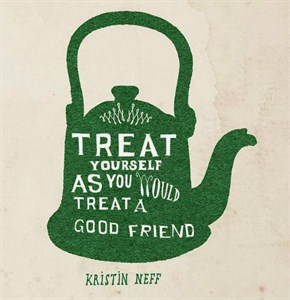
But we seem less sure about self-compassion. For many, it carries the whiff of all those other bad “self” terms: self-pity, self-serving, self-indulgent, self-centered, just plain selfish. Even many generations removed from our culture’s Puritan origins, we still seem to believe that if we aren’t blaming and punishing ourselves for something, we risk moral complacency, runaway egotism, and the sin of false pride. Read article by Kristen Neff
Kristen Neff breaks down some of the myths that prevent us from caring for ourselves in the compassionate way we often care for others.
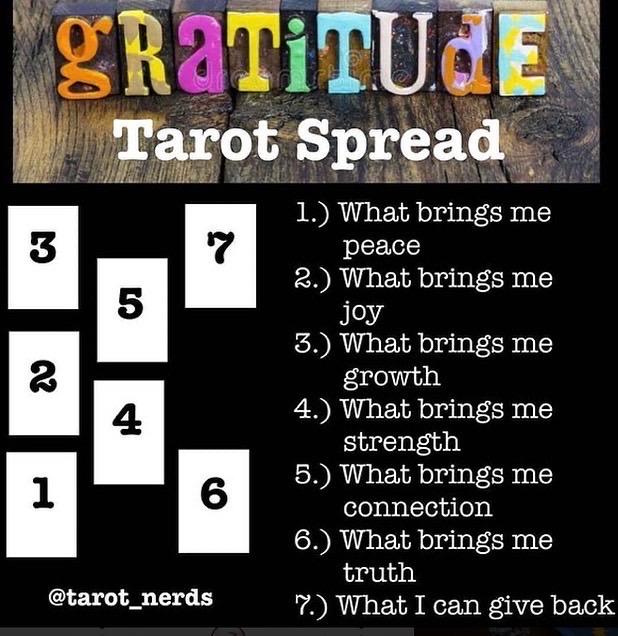
Jen’s Science to Soul Tarot and Transformation initiated a seven day YouTube challenge this year. Having run a seven day Gratitude Challenge she invited participants to engage in another 7 day program.
You will find her initial video and the responses under the tag #SelfCompassionwithTarot.
I doff my hat to Jen because my years of experience working with creatives has demonstrated how shit we all are at being compassionate and supportive towards ourselves. The internet is awash with sad stories about the damage wreaked by the inner critic who sabotages any attempts to be compassionate.
Sites like Mindfulness Org provide free material and provide great support for those wandering down this path to learn what we could have been taught at school. On the page I have linked to Mindfulness Org they say that
“This practice is a way to help remind ourselves to apply the three core components of self-compassion—mindfulness, common humanity, and kindness— when difficulties arise in our lives. It also harnesses the power of soothing touch to help us feel safe and cared for. It’s important to find language that is effective for you personally—you don’t want to have an internal argument about whether the words make sense. For example, some people prefer the word struggle to the word suffering, or prefer the word support or protect to the word kindness. Try out a few different variations and then practice what works for you”.
Mindfulness Org
So how can we use our Tarot or Oracle Cards to practice some Self Compassion?
Option One
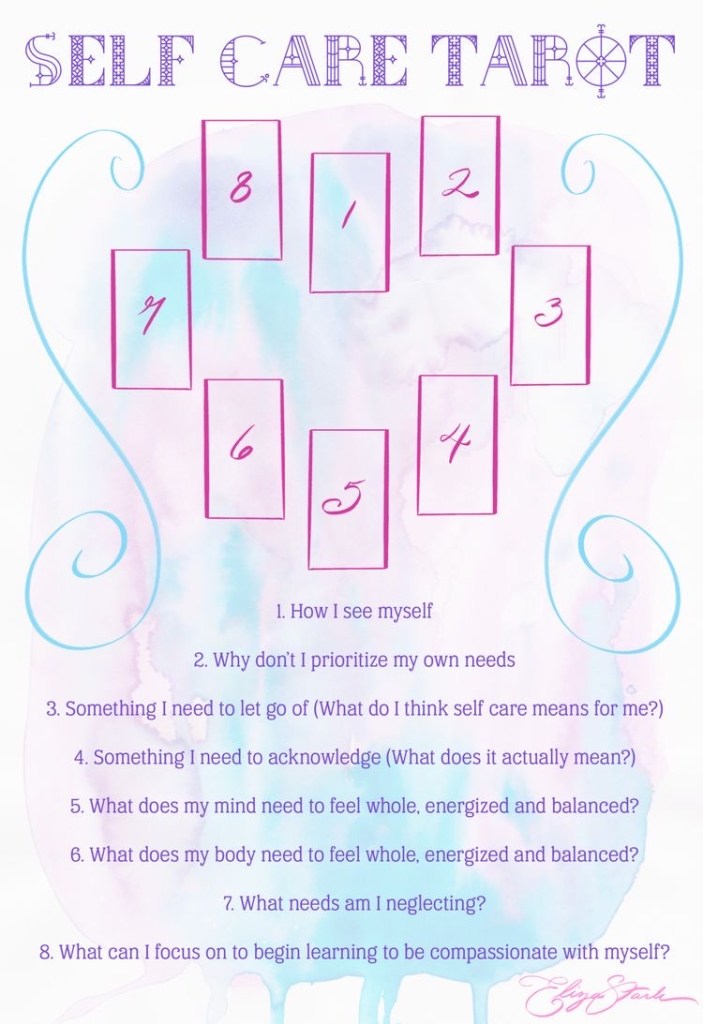
One way is to take the lead from Brian Cormack Carr, who created a spread based on the work of Kristin Neff. He presented this helpful Self-Compassion Tarot Spread on one of his videos. I found the link and this image on Tarot Whimsy who used Carnival at the End of the World for the first six cards, and Antique Anatomy Tarot: Ephemera Edition for the last two cards.
Option Two
Watch Jen’s video, choose a deck and pull one card each night, reflect on the card during the following day and keep a journal or Instagram record using both her hashtag and #yuleadventure2021
Other Ideas?
Pull a card! Share a bit of self loathing with the figure and dialogue as they respond to you over the subsequent hours. A scene I loved in the final episode of Season 3, Succession was when Kendell confesses and his siblings. Shiv and Roman, who have never shown a shred of kindness throughout the three series, actually show some authentic compassion. So even the Devil may have some reassuring words for you.
What is gratitude? Gratitude is being grateful for all of the things in your life. It’s being grateful for all of the wonderful things that you have, but also of the things that haven’t quite gone so right, because of the lessons they brought you.
Let’s be honest. Life can be difficult. It can be a roller coaster. Sometimes we get a run of wonderfully memorable days. Some days it seems we are stuck in an endless cycle of days we’d rather forget.
Gratitude reminds us to keep bringing our heart back to what matters most. Not just in the good times, but the bad times too. Gratitude isn’t about having a positive attitude. It’s about finding the things that can comfort or warm us, despite what else might be happening in our lives.
What matters most to you?
Who matters most to you?
Seven Days of Gratitude and Gratitarot
Watch these three, highly individual videos and be inspired to make tarot based expressions of gratitude a daily practice. The first, by Jen, sets up a seven day challenge that was very successfulthis year.
Describes a simple process of expressing gratitude.
Now it is candles, nubby woolens, shearling slippers, woven textiles, pastries, blond wood, sheepskin rugs, lattes with milk-foam hearts, and a warm fireplace. Hygge can be used as a noun, adjective, verb, or compound noun, like hyggebukser, otherwise known as that shlubby pair of pants you would never wear in public but secretly treasure. Hygge can be found in a bakery and in the dry heat of a sauna in winter, surrounded by your naked neighbors. It’s wholesome and nourishing, like porridge; Danish doctors recommend “tea and hygge” as a cure for the common cold. It’s possible to hygge alone, wrapped in a flannel blanket with a cup of tea, but the true expression of hygge is joining with loved ones in a relaxed and intimate atmosphere.
Of course it is easy to get carried away with this Hygge thing. It is a bit like Catnip to those selling socks and all the other items associated with Hygge! Everyone has such brilliant suggestions about how to get into the mood. For example, Moody Moons offers some ideas about how to Hygge like a Witch.
The bottom line is that Hygge is all about self nurturing and it is no state secret that many of us are not so good at caring for ourselves.
This post is all about ‘the deck’ that is the one you will turn to when you need to self soothe.
So pull out the comfie socks, set yourself up by the fire place, toast some marshmallows and Chill It with your most soothing decks.
Try doing a Self Love Spread – there are tons of these to be found on Pinterest.
The deck I will turn to is a recent acquisition. It is Into the Lonely Woods by Lucy Cavendish and Dan May. But others that always offers comfort are The Arboridium and the Oracle Deck I created using images from fantasy magazines and second hand children’s books.
Over to You
What is your reliable self soothing deck, the deck you turn to when you need to be comforted or cheered up? Share photos of your deck and your Hygge space.
If you don’t have the right Hygge deck get out the craft supplies and spend quiet time making one for yourself
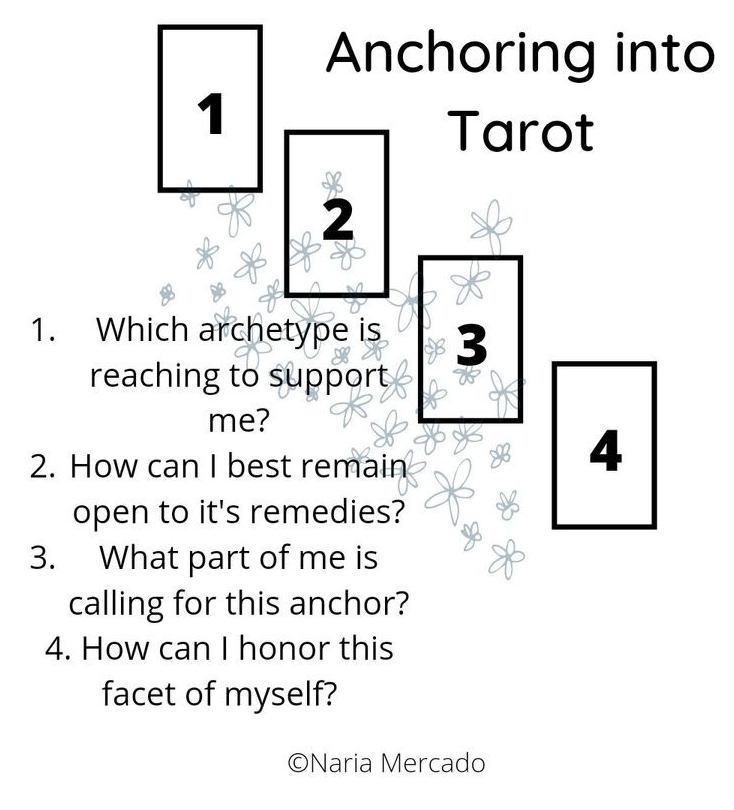
2 : someone or something that provides strength and support He is the family’s anchor. anchor. verb. anchored; anchoring. Kids Definition of anchor (Entry 2 of 2)
anchor something to fix something firmly in position so that it cannot move Make sure the table is securely anchored. [transitive, usually passive] anchor somebody/something (in/to something) to firmly base something on something else Her novels are anchored in everyday experience.
a person or thing that can be relied on for support, stability, or security; mainstay.
Carl Jung, a Swiss psychiatrist from the 20th century, was the first person to bring the application of archetypes into modern psychology. Jung noticed that people and life situations are marked by primary patterns reflected in symbols, images, and themes common to all cultures and all times. We see archetypes as recurring images in art, literature, myths, and dreams. Mother, Father, Home, Stranger, Betrayal, Anger, Love — these are all archetypes expressed in characters, stories, images, and symbols in all cultures and all times, and, these are all universal experiences in human life.
Identifying which archetypes are influential in our lives can thus lead us to self-discovery, self-awareness, growth, and self-actualization. Consciously choosing the right archetype for each chapter in our life story can create a more fulfilling, successful life, where we use our archetypes instead of being controlled by them.
Reasons to work with archetypes
Increasing self-awareness
Finding greater fulfillment and meaning in life
Improving personal, family, community, and workplace relationships
Expanding abilities, perspectives, and options
Helping people to escape habitual archetypal patterns that have become limiting ruts rather than empowering paths
Enabling people to be actively engaged in charting the course of their journeys
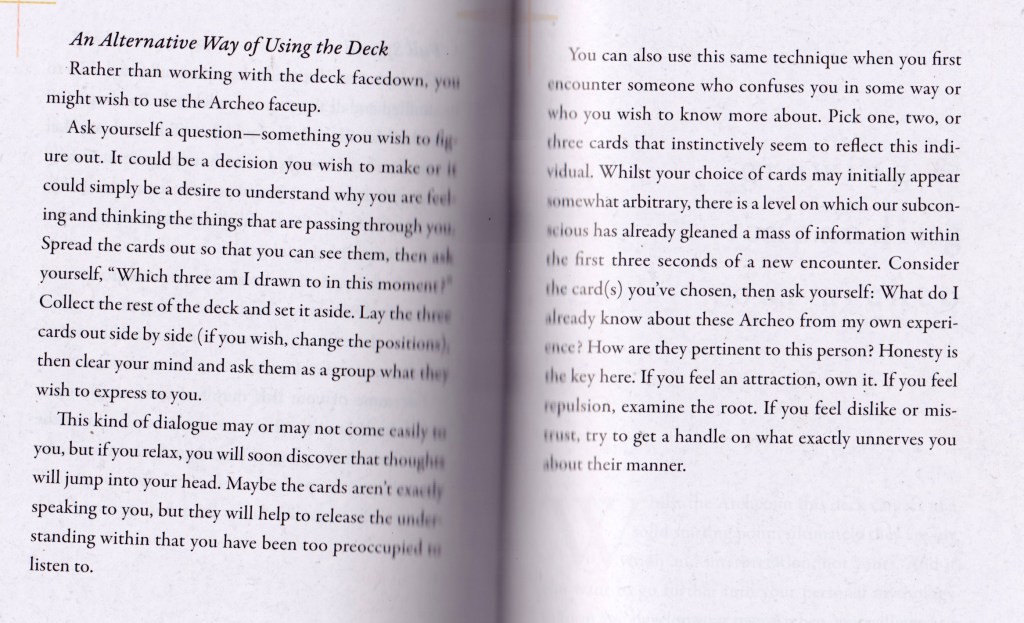
Aside from checking out the archetypes in the Tarot there are specific decks which help us work with these aspects of self. Two decks that come to mind are the Archeo by Nick Bantock and the Archetype Cards by Carolyn Myss. These are a fantastic resource for personal reflection or for working with characters if you are writing or making art.
Nick Bantock provides a number of spreads and ideas for working with Archetypes. Here is just one of those.
Another way to work with Archetypes is to ask a Show Me Deck what one needs to consider. My extension deck which includes Shadow Cards called on me to work with a ‘bad trait’. Now I don’t happen to believe any trait is completely bad and so it was no surprise when the ‘Eccentric’ emerged. It is not bad to be eccentric but it can alienate us from others.
So I decided to explore a simple Past, Present, Future spread using my most eccentric deck and low and behold its all there to show me how ingrained this archetype is.
In 2018 I did a ‘Danse with the Macabre’ when I visited Sedlec Ossuary (aka Kostnice Ossuary Beinhaus). It was one of the highlights of my week long stay in the Czech Republic.
“Known to most as “the Bone Church,” it displays some of the world’s more macabre art. In addition to a splendid bone chandelier composed of almost every bone in a human body, the ossuary displays two large bone chalices, four baroque bone candelabras, six enormous bone pyramids, two bone monstrances (a vessel used to display the Eucharistic host), a family crest in (you guessed it) bone, and skull candle holders. Festively looping chains of bone are hung throughout like crepe paper at a birthday party.”
Atlas Obscura
In the Danse Macabre, or Dance of Death, skeletons escort living humans to their graves in a lively waltz. Kings, knights, and commoners alike join in, conveying that regardless of status, wealth, or accomplishments in life, death comes for everyone. At a time when outbreaks of the Black Death and seemingly endless battles between France and England in the Hundred Years’ War left thousands of people dead, macabre images like the Dance of Death were a way to confront the ever-present prospect of mortality.
Though a few earlier examples exist in literature, the first known visual Dance of Death comes from around 1424. It was a large fresco painted in the open arcade of the charnel house in Paris’s Cemetery of the Holy Innocents. Stretched across a long section of wall and visible from the open courtyard of the cemetery, the fresco depicted human figures (all male) accompanied by cavorting skeletons in a long procession. A verse inscribed on the wall below each of the living figures explained the person’s station in life, arranged in order of social status from pope and emperor to shepherd and farmer. Clothing and accessories, like the pope’s cross-shaped staff and robes, or the farmer’s hoe and simple tunic, also helped identify each person.
The Death card is one of the most feared and misunderstood cards. Spread by movies trying to sensationalize drama and abused by the occasional unscrupulous reader, the Death Card strikes fear into the heart of anyone who doesn’t understand it. The Death card frightens many people, for they think it means that they, or someone they love, is going to die — although when they hear it signals great change, they can become frightened of that, too, even if they need it.
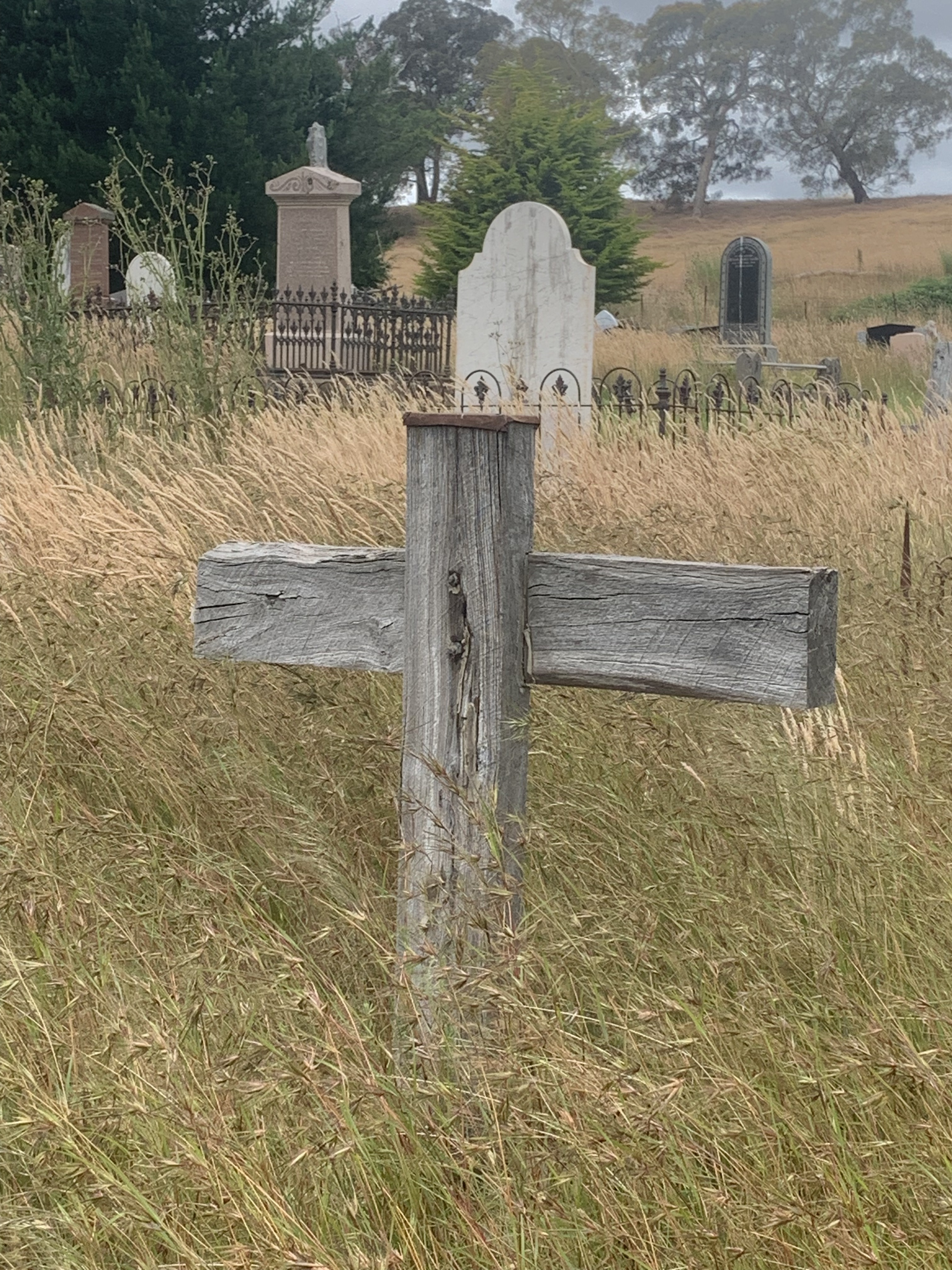
Rather than fear the Death Card embrace it by taking a deck of cards and visiting a cemetery like the one I visited in my region.
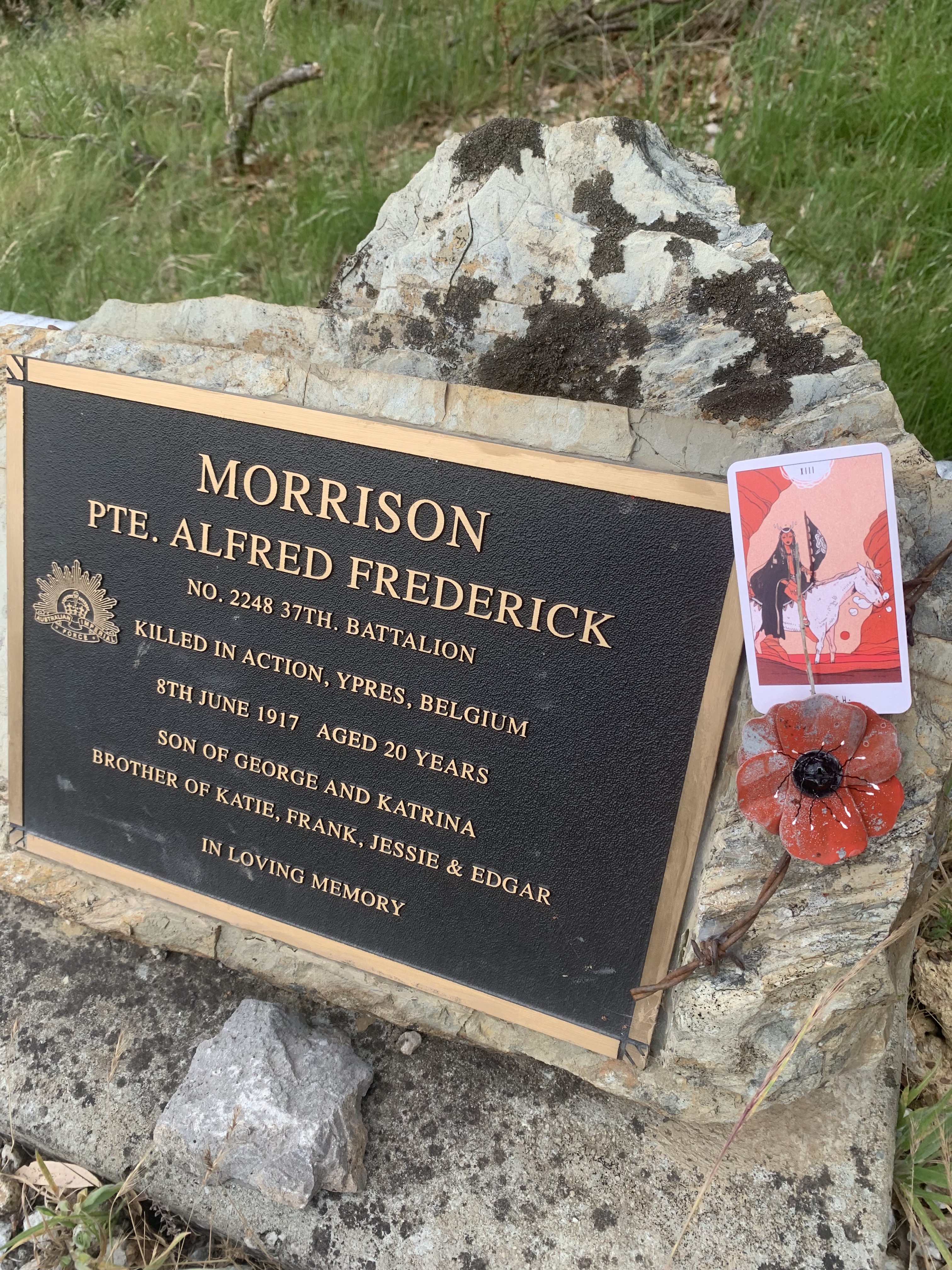
I stopped at the headstone, erected for Pte Alfred Frederick and contemplated the impact of his death at just 20 years of age, the utter waste of war. All around me was evidence of change, which is actually what the Death Card is all about.
Over to you
Lay out some Death Cards and meditate on the message
Consider taking the opportunity to ‘Danse Macabre’ by visiting a cemetery with a deck of cards and doing this spread.
So you’ve decided you love Tarot and Oracle, but you can’t quite find a deck that resonates with you. Or perhaps you’ve found some that are okay, but you really want to tap into your creative spirit and make a custom deck of your own.
Creating your own set of cards lets you understand what each card means and how you can interpret it during readings.
Can you do it? Of course you can. The most challenging part is finding the images.
Many people have made Tarot cards throughout the course of the centuries. You can purchase blank ones in a set, already cut and sized for you, and create your own artwork to go on them. Or you can print them out on photo paper or card stock and cut them yourself.
Years ago I facilitated a group who exchanged Trading Cards and I have a lovely box filled with ones that were sent to me.
During a 2020 lock down I made a set of my own Oracle cards. I had an incomplete deck I had picked up in a Charity store and I repurposed this card stock using images from old fantasy art magazines that I had. Because I am using the imagery of artists whose work was featured in those magazines, I make it very clear that this deck is strictly for my personal use.
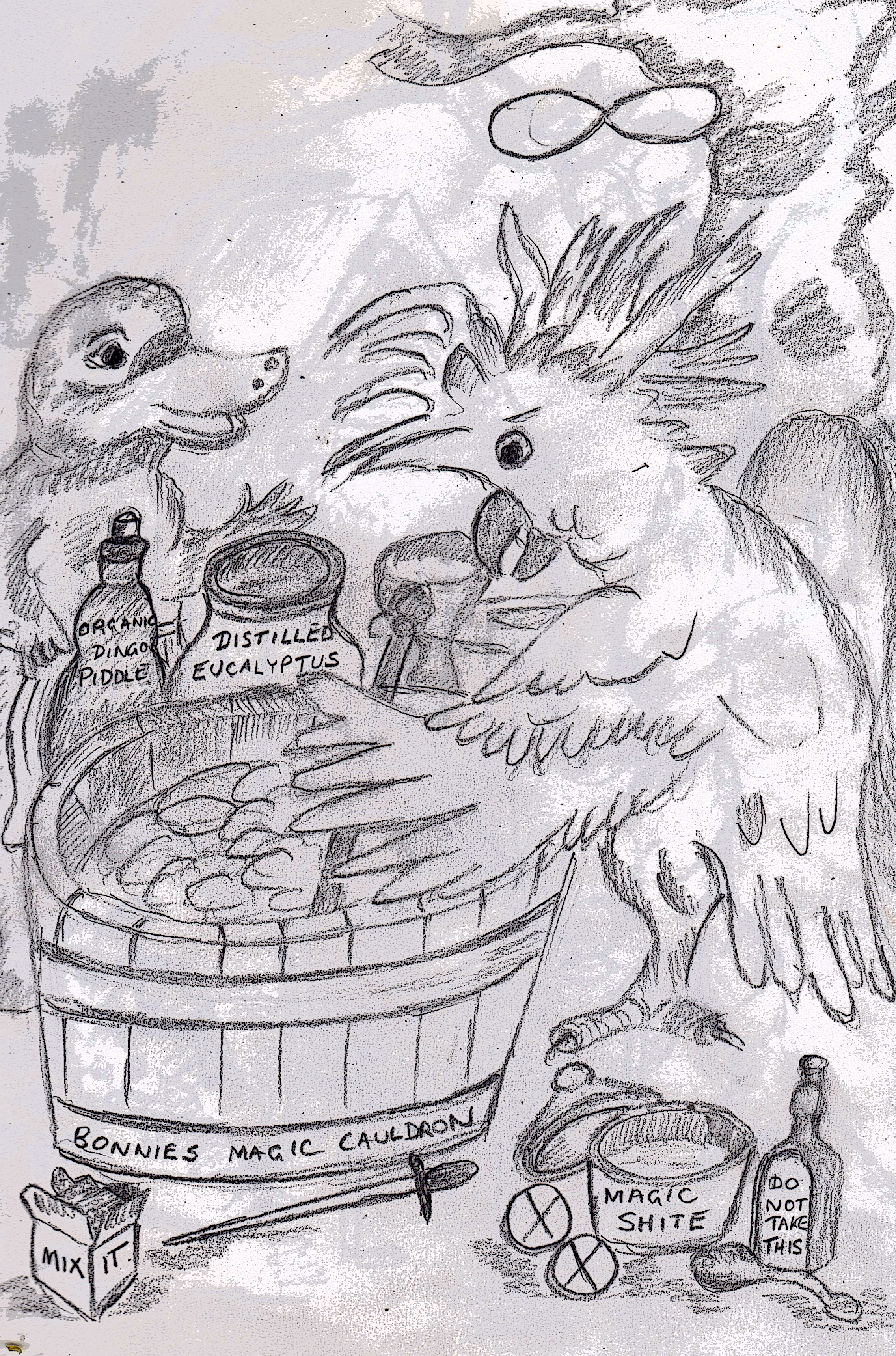
It was more challenging to draw the 78 cards for Bonnie’s Skool of Tarot but it certainly helped me learn more about the meaning of each card.
The FoolAce of WandsFive of WandsThe MoonThe MagicianThe Hierophant
I think I am not the only one intrigued by the picturesque of early Tarot cards. What do they really represent? Who drew them? Who put all these icons together?
Then I saw Dario Fo, the great Italian comedian of Comedia dell Arte, play writer and Nobel Prize winner, acting on stage playing the hilarious figure of a barbarous Pope (I cannot recall who) and I thought that something of the medieval feasts, mysteries and banquets were radiating from the stage… from Origins of the Tarot Cards from Medieval Mystery Play
Whether you are an experienced Tarot reader or a beginner there is no doubt that lovers of cards love to play with their cards. This Advent Calendar is primarily about spending time with and playing as though you are playing with a good friend.
Hudson explores, in some detail, the history of Mystery and Morality Plays
As early as the 14th century artists were painting the heroes of Miracle, Mystery and Morality plays on to cards. In his book, Mystical Origins of the Tarot, Paul Hudson explores the ancient roots that lie within these plays.
Typically, Morality plays, for example, tried to teach through a theatrical point of view. These plays were allegorical dramas that personified the moral values and abstract ideas to teach moral lessons. The plays were used to educate the masses on Christianity.
A unique dance production featuring the deck of 22 cards, in their traditional order, is just an example of how artists make use of the Tarot.
Here is a setting for a Medieval Style Play using a Magnetic Theater my daughter had as a child.
Imagine you are writing for a Medieval Theatre Troupe. What cards would you choose to use for a play set in a Royal Court or conversely for a Chaucer, Canterbury Tales style character like the Wife of Bath? Check the link to be reminded of the characters that peopled Chaucers work.
Zen master is a somewhat vague English term that arose in the first half of the 20th century, sometimes used to refer to an individual who teaches Zen Buddhist meditation and practices, usually implying longtime study and subsequent authorization to teach and transmit the tradition themselves.
Natalie Goldberg, whose work I have always admired, wrote the Long Quiet Highway: Waking Up in America, a memoir about her Zen teacher.
When I was young it was a thing to go off to India, meet a Guru and ‘find yourself’. Not everyone has the opportunity to spend time in retreat working with a Zen Master or a Guru, but collectors of cards will know that amongst their decks lies a true Zen Master.
I have a couple of decks in my collection that could earn this title but the stand out at the moment is Morgan’s Tarot, which isn’t really a Tarot anyway. Sometimes I suspect I may get more sense out of my colourful pansies.
Out with my Zen Master
My new Zen Master, the Morgan’s Tarot, and I went out together for a private session at a local labyrinth. Before going I painstakingly numbered all the cards in the order in which their descriptions appear in the booklet. This ritual is the closest I will ever come to modifying a deck. Scissors and I don’t go well together, but at least I now get what this deck modification is about.
But I digress. When we reached our destination I explained to the deck that I wanted to know more about my path.
It seems that my master is intent on baffling me, for nothing made sense, at least not at first. Perhaps bafflement is the point. “Zen koans are statements which, on their face, make no apparent logical sense. The intention of the koan is to crack-open the seeker’s habitual thinking, so that new ways of thinking can seep in through the crack. Morgan’s Tarot seems to invoke some of that spirit”.
Over to You
Check out your collection of decks, experiment and decide who is your real Zen Master. To do this you might use this relationship spread with each deck.
Some Exercises:
Think of a question to ask your Zen Master. Decide on a lay-out to use to answer the question, three-card, five-card, Six-card Hungarian, Celtic Cross-and-Wand, your choice. The thing is, you’re going to ask this same question of both your Zen Master deck, and your choice of one of the other symbol-system divination methods available. Note which cards landed where in each spread. Do a comparison and contrast of both decks. Was there a fundamental agreement in their answers? Did one deck seem to focus on one aspect of your situation and the other deck, another? Source: Divination Lessons
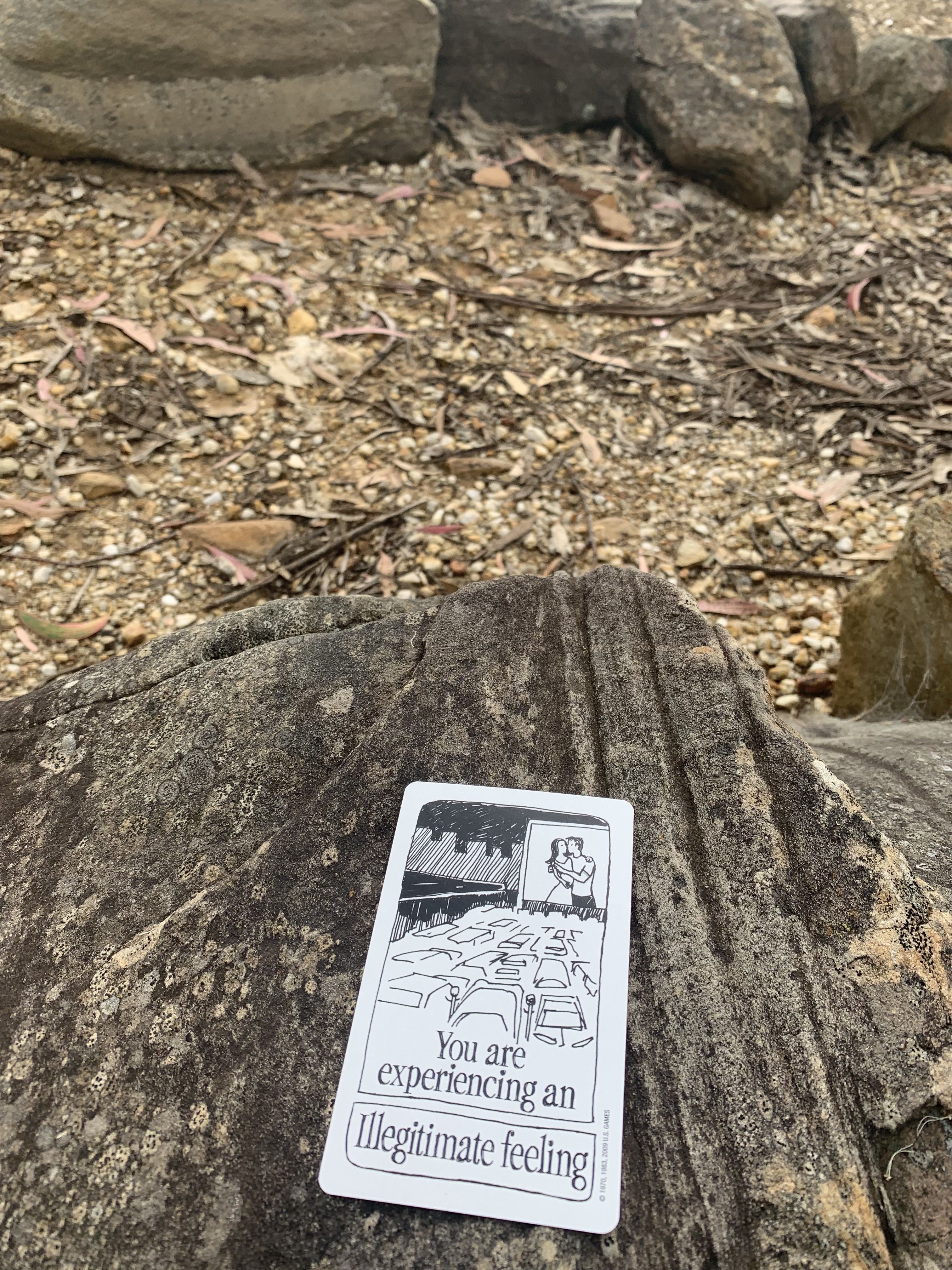
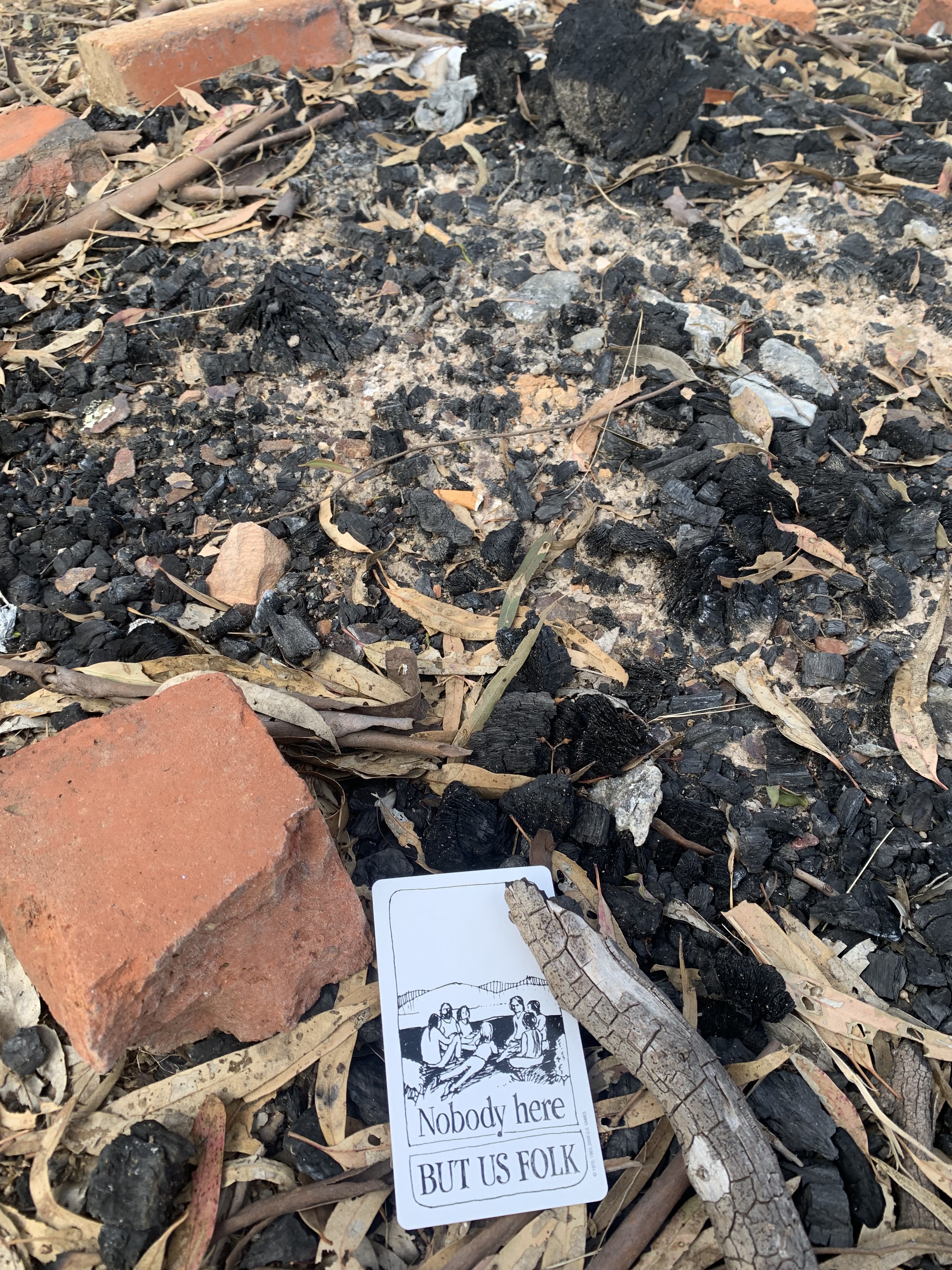
Head out with your Zen Master, preferably in some outdoor space, and seek advice. With any luck you will not be told you are experiencing illegitimate feelings, whatever they are.
Morgan Tarot Online
Sleepbot, whoever they are, has a wonderful divination generator featuring these cards, which reminds me of Willa’s Tea Leaf Readings, a fun generator that was around back in the early days of the net.
Bonding with your tarot deck is a great practice you can use, along with cleansing your cards, to attune to your new, or old, deck’s vibe for more powerful and accurate readings.Search online and you will find plenty of suggestions about how to connect with your deck. Here is just another fun suggestion.
In this instance I have used the Cosmic Tarot, and chosen the Princess of Cups to be the primary protagonist.
One way to build up your connection with Tarot decks is to use the suits and court cards to tell spontaneous stories.
There are many advantages of using the storytelling process to connect with your Tarot cards.
You really get into the picture of the cards and observe the details of the imagery.
You can really internalize each and every aspect of the card’s pictures.
You can get creative and let your imagination run wild while writing the story.
its an opportunity to let imagination and Intuition mix really well together
Lay out a full suit from your Tarot deck and choose one of the Court Cards to take the role of primary protagonist.
Set a timer for twenty minutes and just write.
Here is an example of a tale, written in twenty minutes, using the Cosmic Tarot for inspiration.
After having been through a trying time, having emerged from a sustained period of loss and grief, Sonia, a young Princess in the House of Cups, visited a local Gypsy tarot reader. The Gypsy told Sonia that her cup was actually overflowing with potential and suggested that she might try to find delight in life by observing simple things. She told the Princess that this would sweeten her life and open her up to positive experiences.
Sonia took the Gypsies advice to heart and began to take more notice of her environment. In no time she began to see the world of the palace in a different light. She watched her mother, Queen Isobella working tirelessly in the Court gardens. Sonia decided that instead of sitting by her window, waiting for yet another, disappointing, entitled, narcissist prince to come, she would take her art supplies and slip into the Enchanted wood that she had loved as a child.
As the days passed her demeanor transformed and her parents and brother noted her flushed cheeks and the transformation that had taken place. Sonia suggested that it was all due to the fresh air and her passion for her artistic endeavours. What she did not reveal, over the formal evening dinners, was that while she was in the woods she had met a very handsome huntsman and that each day she was making sure to set up her easel where he would find her.
Dressed as a maiden, the huntsman was oblivious to her true identity. He began to court her, finding small gifts to give her each day. Gradually she filled her box of wonder with delightful fragments, stones, gum nuts, flowers, feathers and crystals. Each piece had a story to tell and the fairy folk of the woods unashamedly supported their affair and shielded their passionate love making from prying eyes.
Alas, one day, courtiers, at the behest of the King, followed her and witnessed her meeting and walking off with the huntsman. After Sonia had returned to the court, flushed after her encounter, the courtiers returned to the woods and revealed Sonia’s identity to the huntsman. They threatened him and made him understand that he best make himself scarce for he was not eligible to marry her.
The huntsman, knowing their lives were in danger disappeared and Sonia fell into despair when he failed to meet their rendezvous. In desperation she went back to the Gypsy, seeking more advice.
The Gypsy, upon seeing the empty cups in the spread, pointed instead to the ten of cups and reassured Sonia that happiness could still be hers.
Being a determined young woman Sonia sought help from the Fae folk and was taken to the Huntsman’s cottage deep within the woods. They talked for hours, imagining the life they could share if she was prepared to relinquish her royal life and live with him in this idyllic woodland setting.
He was shattered when she made it clear that this was not possible, that her family, the courtiers would literally hunt them down and kill him for his insolence.
It seemed that all was lost until her mother, with a group of her Ladies in Waiting appeared before them. The Queen recognized the huntsman as the youngest son of her brother, the King of the House of Swords. King Eric had sent the lad into the woods to learn about life, to learn to honour all living things and he had been gone so long he had quite forgotten who he was.
Needless to say, sensing that Sonia was already with child, Queen Isobella wholeheartedly blessed the union, even although they were cousins.
To celebrate their marriage Sonia commissioned an artist to paint a portrait of herself. Everyone was taken aback when they saw that she had posed naked in the woods, surrounded by Fae folk and overflowing cups to celebrate that her cup runneth over – at least for now.
















 The Tarot Midwife