The Philosophers Stone consists of 40 square cards, each depicting a painting by artist De Es Schwertberger, along with a particular quality or condition. Schwertberger’s preferred subjects seem to consist entirely of stones with human faces, stone figures, and stones over plain backgrounds. The artist seems to have applied an enormous talent to an extremely narrow subject matter.
You can dig very deep with these images, it’s almost like looking into a persons’ soul. These cards are ideal for prompting ideas, especially when combined with another deck.
To get a feel for this 1970’s deck begin by watching this walk through by the Tarot Alchemist. Stop and pause the video and meditate upon some of the images.
Get out your journal and see where these cards lead you. Here are some starter activities.


Card 28 Portrays Existence and when I viewed this image my thoughts turned to Sisyphus who was punished for his self-aggrandizing craftiness and deceitfulness by being forced to roll an immense boulder up a hill only for it to roll down every time it neared the top, repeating this action for eternity.
Your thoughts may go else where. Perhaps you might take the time to interview this figure and write the dialogue that emerges.
More Ideas

Take a walk sometime, watch for a stone that seems to grab your attention… pick it up, turn it over a few times and look for images on it’s surface. Allow those images to relay words to your mind. Those words will be the message from the stone – for you. This a simple form of stone divination, looking and listening within – to dive in – “divine” an answer to a question.
Quietly enter the world of Stonehenge. Stand in the centre of these famous stones – one of the wonders of the world and the best-known prehistoric monument in Europe – and dialogue with these ancient stones.
Remember that while the mysteriously arranged structure of Stonehenge is one of the world’s greatest wonders these odd stone arrangements can be found throughout the world in many shapes and sizes. Known as megaliths, these giant stones formed prehistoric structures in amazing (and perplexing!) feats of construction. The purpose of these sites may be shrouded in mystery, but their remains add character and ancient beauty to landscapes across the globe, from the cold mountains of Russia to the balmy Mediterranean. Take the time to visit 7 ancient megaliths.


 Maybe you do not have a young calf to read too but there are plenty of alternatives that will lead to rich journal entries.

 Hedy Lamarr was the daughter of a prosperous Viennese banker. Lamarr was privately tutored from age 4; by the time she was 10, she was a proficient pianist and dancer and could speak four languages. At age 16 she enrolled in Max Reinhardt’s Berlin-based dramatic school, and within a year she made her motion picture debut in Geld auf der Strasse (1930; Money on the Street). She achieved both stardom and notoriety in the Czech film Extase (1932; Ecstasy), in which she briefly but tastefully appeared in the nude. Her burgeoning career was halted by her 1933 marriage to Austrian munitions manufacturer Fritz Mandl, who not only prohibited her from further stage and screen appearances but also tried unsuccessfully to destroy all existing prints of Extase. After leaving the possessive Mandl, she went to Hollywood in 1937, where she appeared in her first English-language film, the classic romantic drama Algiers (1938). Lamarr became a U.S. citizen in 1953.
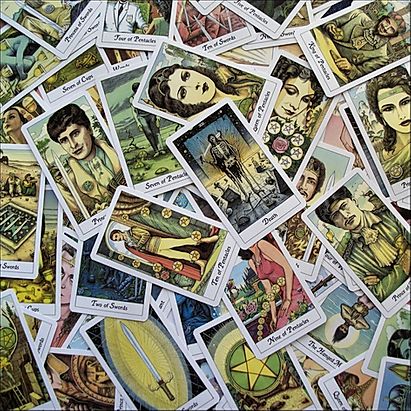


 I am not sure where the idea came from but a week or so back I decided to revisit some of my favourite cemeteries to read some tarot cards with the long dead. (I confess that visiting cemeteries, armed with Tarot decks, is a bit different even by my standards.) I set out with my two companion animals, a picnic basket and a tarot deck.


 The Tarot Midwife